
Cats are curious by nature, and sometimes that curiosity comes with unwanted hitchhikers. Intestinal parasites are incredibly common in cats, even in indoor-only cats, and many infected cats look perfectly healthy at first. Regular parasite prevention and screening are an important part of keeping your cat feeling their best and protecting the people and pets they share life with.
+(1).jpg)
How Cats Get Intestinal Parasites
Many people are surprised to learn just how easy it is for cats to pick up intestinal parasites. Cats can become infected through:
- Hunting mice, birds, or insects
- Fleas carrying tapeworm larvae
- Contact with contaminated soil, feces, or litter boxes
- Eating raw or undercooked meat
- Nursing from an infected mother as kittens
- In utero passage of parasites from mother to kitten
- Bringing microscopic parasite eggs indoors on shoes or clothing
Because many parasites are microscopic, cats do not need to go outside or interact with other animals to become infected.
How Intestinal Parasites Affect Cats
Intestinal parasites are organisms that live in the digestive tract and steal nutrients from your cat’s body. Some are worms, while others are microscopic protozoa. Common parasites seen in cats include roundworms, tapeworms, hookworms, Giardia, coccidia, and cryptosporidium.
These parasites can lead to:
- Diarrhea or vomiting
- Weight loss despite a normal appetite
- Poor coat quality
- Dehydration
- Abdominal bloating
- Weakness or lethargy
- Anemia, especially in kittens
- Increased susceptibility to other illnesses
In some cats, especially kittens or immunocompromised pets, parasite infections can become severe or even life-threatening. Below are some of the most common parasites we see in the Columbia River Gorge:
Roundworms
Roundworms are among the most common intestinal parasites in cats. They are especially common in kittens and can cause vomiting, diarrhea, constipation, bloating, or poor growth.
Tapeworms
Tapeworms are typically transmitted through fleas or by hunting rodents. They absorb nutrients from your cat’s intestines and may cause weight loss or irritation. Owners sometimes notice small “rice-like” segments around the tail or in the stool.
Hookworms
Hookworms attach to the intestinal lining and feed on blood, which can cause diarrhea and anemia. While we fortunately do not see large numbers of feline hookworm infections here in the Columbia River Gorge, they can still occur.
Giardia, Coccidia, and Cryptosporidium
These microscopic protozoal parasites can cause diarrhea, dehydration, vomiting, weight loss, and lethargy. Some cats may carry these organisms without obvious symptoms, while others become quite ill.
Signs Your Cat May Have Intestinal Parasites
Some cats show obvious symptoms, while others may appear completely normal. Signs of intestinal parasites can include:
- Diarrhea or soft stool
- Bloody stool
- Vomiting
- Weight loss
- Pot-bellied appearance
- Poor hair coat
- Decreased appetite
- Lethargy
- Dehydration
- Pale gums
Occasionally, worms may be visible in stool or vomit, but most parasites are only detectable under a microscope or with specialized laboratory testing.
Prevention and Deworming
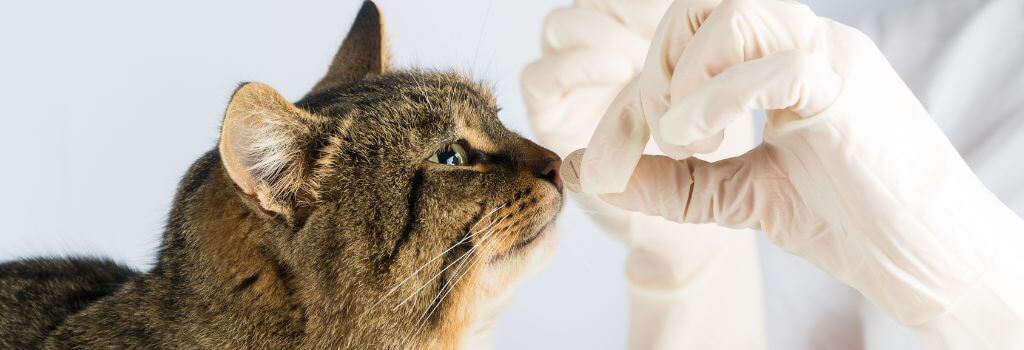
Routine parasite prevention is much easier, and far safer, than treating advanced infections. We recommend:
- Regular wellness examinations
- Routine fecal testing
- Year-round flea prevention
- Regular deworming based on your cat’s lifestyle and risk factors
- Keeping litter boxes clean and scooped daily
- Feeding cooked or prepared diets instead of raw meat
Cats who hunt or spend time outdoors often need more frequent deworming. Some monthly flea preventatives also include protection against intestinal parasites, making them an excellent option for many cats.
When Should Cats Be Dewormed?
Kittens require frequent deworming early in life because many are born with or acquire parasites from their mother. Adult cats should continue routine parasite prevention throughout life, even indoor cats.
At Tucker Road Animal Hospital, we tailor parasite prevention recommendations to your cat’s age, lifestyle, and health needs so we can provide protection without overmedicating.
Keeping Cats Healthy From the Inside Out
Parasite prevention may not be glamorous, but it plays a huge role in your cat’s long-term health and comfort. Regular screenings and preventative care help us catch problems early, reduce the spread of parasites, and keep your feline family member thriving.
If you have questions about parasite prevention or would like to schedule your cat’s wellness exam, contact Tucker Road Animal Hospital today. We’re always happy to help you keep your cat healthy, comfortable, and protected.