
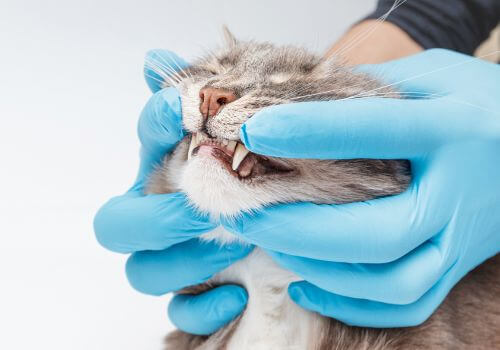
Cats are beloved members of the family, and their dental health plays an important role in their overall well-being. Just like people, cats benefit from regular dental care, including tooth brushing (when it can be done safely) and professional dental exams and cleanings. Without proper care, dental disease can lead to pain, infection, and other serious health problems.
At Tucker Road Animal Hospital in Hood River, OR, we’re committed to helping pets live healthier, more comfortable lives through high-quality, compassionate care. Below, we’ll discuss the importance of feline dental care, common signs of dental disease, how dental problems are diagnosed, and the health issues that can result from dental disease.
What Are Some Common Dental Issues in Cats?
Cats can develop a variety of dental conditions throughout their lives, many of which can be painful even when cats continue eating and acting relatively normal at home. Some of the most common dental problems seen in cats include:
- Periodontal disease — inflammation and infection of the gums and tissues surrounding the teeth
- Tartar and plaque buildup — hardened debris on the teeth that can contribute to gum irritation and infection
- Tooth resorption — a very common and painful condition in cats where the tooth structure begins to break down over time
- Gingivitis — inflammation and redness of the gums
- Broken or fractured teeth — often caused by trauma or chewing on hard objects or tooth resorption
- Oral infections or tooth root abscesses — infections that can cause pain, swelling, and difficulty eating
- Stomatitis — a severe inflammatory condition affecting the tissues inside the mouth
Because cats are very good at hiding discomfort, dental disease can sometimes go unnoticed until it becomes advanced. Regular veterinary exams and dental evaluations help identify these issues early and keep your cat more comfortable and healthy.
What Does Cat Dental Care Include?
Like humans, cats benefit from regular dental care to help keep their mouths healthy and comfortable. Professional dental exams and cleanings are an important part of preventing painful dental disease and catching problems early. Some cats will also tolerate tooth brushing at home, which can help reduce plaque and tartar buildup, but many cats are not fans of having their teeth brushed, and that’s completely normal. Your veterinarian can help you find practical ways to support your cat’s dental health based on their personality and needs.
How Does Dental Health Impact My Cat’s Overall Health and Well-Being?
Dental health plays a crucial role in your cat’s overall happiness, health, and longevity. Dental issues can lead to pain, loss of appetite and difficulty eating. For these reasons, staying on top of your feline friend’s dental health is crucial. In some cases, poor dental hygiene can also cause bacterial infections that may enter the bloodstream and damage vital organs such as the heart, liver, and kidneys.
.jpg)
What Types of Dental Care Should I Be Giving My Cat at Home?
At home, you should incorporate regular brushing and dental diets and treats into your cat’s routine. Brushing your cat’s teeth is the gold standard for at-home cat oral care and helps prevent the plaque and tartar buildup that can lead to gum disease. **Only attempt this with a long handled brush where there is no risk of getting bit by your feline friend**Feeding your cat a diet specifically designed for dental health can also help keep their teeth clean and strong. Dental treats and chews are also great for removing plaque and tartar, but they aren’t a substitute for brushing. Always choose treats or chews that suit your cat’s size and dietary needs. Please visit the Veterinary Oral Health Council website for specific diets, treats, and products that have their seal of approval
What Are Some Signs and Symptoms of Oral Health Issues in My Cat?
It is important to be aware of the signs and symptoms of dental issues in cats so you can seek prompt treatment. Some common symptoms include bad breath, difficulty eating or chewing, dropping food and hissing, drooling or excessive saliva (with or without blood), pawing at the mouth, head shaking or jaw chattering, red, swollen, or bleeding gums, visible tartar or plaque, broken or loose teeth. If you notice any of these signs in your cat, please call us to schedule an appointment as soon as possible.
How Do Veterinarians Diagnose Dental Problems in Cats?
Dental problems in cats are often first identified during a physical exam, when your veterinarian may notice bad breath, tartar buildup, inflamed gums, loose teeth, or signs of oral discomfort. However, much of dental disease occurs below the gumline and cannot be fully evaluated while a cat is awake.
To perform a complete dental assessment, cats typically undergo a comprehensive oral exam under general anesthesia. This allows the veterinary team to thoroughly examine and probe the teeth and gums, carefully evaluate any abnormal areas, and assess for painful conditions that may not be visible during an awake exam.
During this procedure, the teeth are also professionally scaled and polished to remove plaque and tartar buildup both above and below the gumline. Dental X-rays are taken to identify problems hidden beneath the surface, including tooth resorption, infection, and bone loss associated with periodontal disease. Many cats with significant dental disease show only subtle signs at home, making anesthetized exams and dental radiographs an important part of diagnosing and treating dental problems early.
.jpg)
Why Choose Tucker Road Animal Hospital for Cat Dental Care?
At Tucker Road Animal Hospital, we understand that dental care is an important part of helping cats live healthier, more comfortable lives. Our team provides comprehensive feline dental care tailored to your cat’s individual needs, with a focus on both high-quality medicine and low-stress, compassionate care.
Our dental services include:
- Comprehensive oral exams
- Full-mouth dental X-rays
- Professional scaling and polishing
- Tooth extractions when needed
We use modern dental equipment and thorough diagnostics to identify painful dental disease that may not be visible during an awake exam. Just as importantly, we believe communication matters. We’ll keep you informed throughout the process, explain our findings clearly, and help you make the best decisions for your cat’s care.
Whether your cat needs a routine dental cleaning or treatment for more advanced dental disease, our team is here to help support their comfort, health, and quality of life.