
Surgery and anesthesia can feel intimidating for pet owners, and it’s completely normal to feel nervous when your pet is undergoing a procedure. At Tucker Road Animal Hospital, we understand the trust you place in us when caring for your cat, and we take that responsibility seriously. Our team is committed to providing thoughtful, skilled, and compassionate surgical care, with careful attention to pain management, anesthesia safety, monitoring, and recovery.
We also believe that knowing our limits is an important part of practicing good medicine. While we routinely perform many surgical procedures in-house, there are some cases where a board-certified veterinary surgeon may be the best option for your pet. If we believe your cat would benefit from specialty surgical care, we will always discuss referral recommendations honestly and help guide you through the process.
What are the most common cat surgeries?
The most common cat surgeries we do at Tucker Road Animal Hospital are spays and neuters, but we also perform several other routine surgeries.
Common cat surgeries include:
- Mass or tumor removal
- Dental procedures
- Bladder stone removal
- Abdominal surgery for foreign body removal
- Wound repair
Do cats need lab work before surgery?
While it depends on the procedure, we highly recommend lab work, so we know what's going on with your cat’s organs and to make sure anesthesia will be safe for them. Lab work provides a good indication of their overall health before going under anesthesia and enduring the physical stress of surgery. Anything unusual in their lab work might mean putting the brakes on a surgical procedure until the cause of the abnormal lab work is identified and treated.
What will a veterinarian be looking for in the pre-surgery lab work?
There are many different things that we see in blood work. We’re looking primarily at kidney and liver values, as those organs metabolize or digest some anesthetic agents. We're also looking at white blood cell count, red blood cell count, and platelets, which help us understand the healing processes. A few other indicators, such as protein levels and electrolytes, allow us to understand how stable your cat is going into the procedure.
Before your cat has surgery, there are several things you need to know to ensure everything goes smoothly from check-in through recovery.
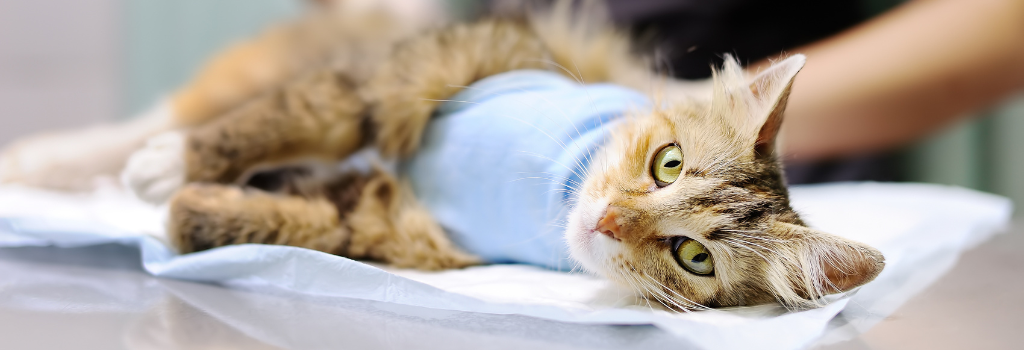
Understanding Your Cat’s Anesthetic Procedure
Your cat’s safety and comfort are our top priorities throughout every procedure. Below is an overview of the steps our veterinary team takes before, during, and after anesthesia to help provide a smooth and carefully monitored experience.
- A physical exam is performed beforehand to help ensure your cat is healthy enough for anesthesia
- Pre-anesthetic bloodwork may be recommended to evaluate organ function and overall health
- Your cat receives premedication to help reduce stress, provide pain control, and allow for a smoother anesthetic experience
- An IV catheter is placed so fluids and medications can be safely administered throughout the procedure
- Intravenous fluids are given to help support blood pressure and hydration during anesthesia
- Anesthetic medications are administered to gently induce anesthesia
- Once asleep, a breathing tube (endotracheal tube) is placed to protect the airway and deliver oxygen and anesthetic gas
- A trained veterinary team member continuously monitors your cat throughout the procedure
- Monitoring equipment tracks important vital signs including:
- Heart rate
- Blood pressure
- Oxygen saturation
- Temperature
- EKG/heart rhythm
- Your cat is kept warm and comfortable throughout anesthesia and recovery
- After the procedure, your cat is carefully monitored during recovery until they are awake and stable
For many pet owners, anesthesia can feel stressful, but modern veterinary anesthesia is designed with safety as a top priority. The Cornell Feline Health Center also provides helpful information about how anesthesia is administered and monitored in cats.
Questions to ask your veterinarian before cat surgery include:
- Does my cat need to fast before surgery?
- What exactly is the procedure intended to accomplish?
- How large will the incision be?
- What is the recovery time?
- What are my cat’s post-surgery restrictions?
How long is recovery after a cat surgery?
Recovery after cat surgery depends entirely on the procedure, but the average recovery time is generally two weeks. Some dental procedures require only a day or two for recovery, while most soft tissue surgeries take about 10 days to resume normal activities. More extensive surgeries such as wound repairs and abdominal surgeries can take up to two weeks for recovery.
What can I do at home to help my cat recover?
The best thing you can do at home to help your cat recover is to provide a low-stress environment. If you have other pets in the household, consider secluding your cat or confine them to their own space, so they don’t have to interact with other pets. Keep them indoors, even if they are an outdoor cat. Also, closely follow the discharge instructions from your veterinarian because we explicitly cater those to your cat and their post-surgical needs. Those instructions include pain management, administering antibiotics (if indicated), and what to watch for that could indicate a problem. We send some cats home with an Elizabethan collar (aka the “cone of shame” by many pet parents!), so their incision can heal properly, so be mindful of this cone to help them avoid them getting at their incision and possibly causing an infection.
At Tucker Road Animal Hospital, your pet is our priority. If you have any questions, don't hesitate to call our team at (541) 386-1566, or you can email us at [email protected]. Our staff would love to talk with you!
Don't forget to follow us on social media: Facebook, Instagram.